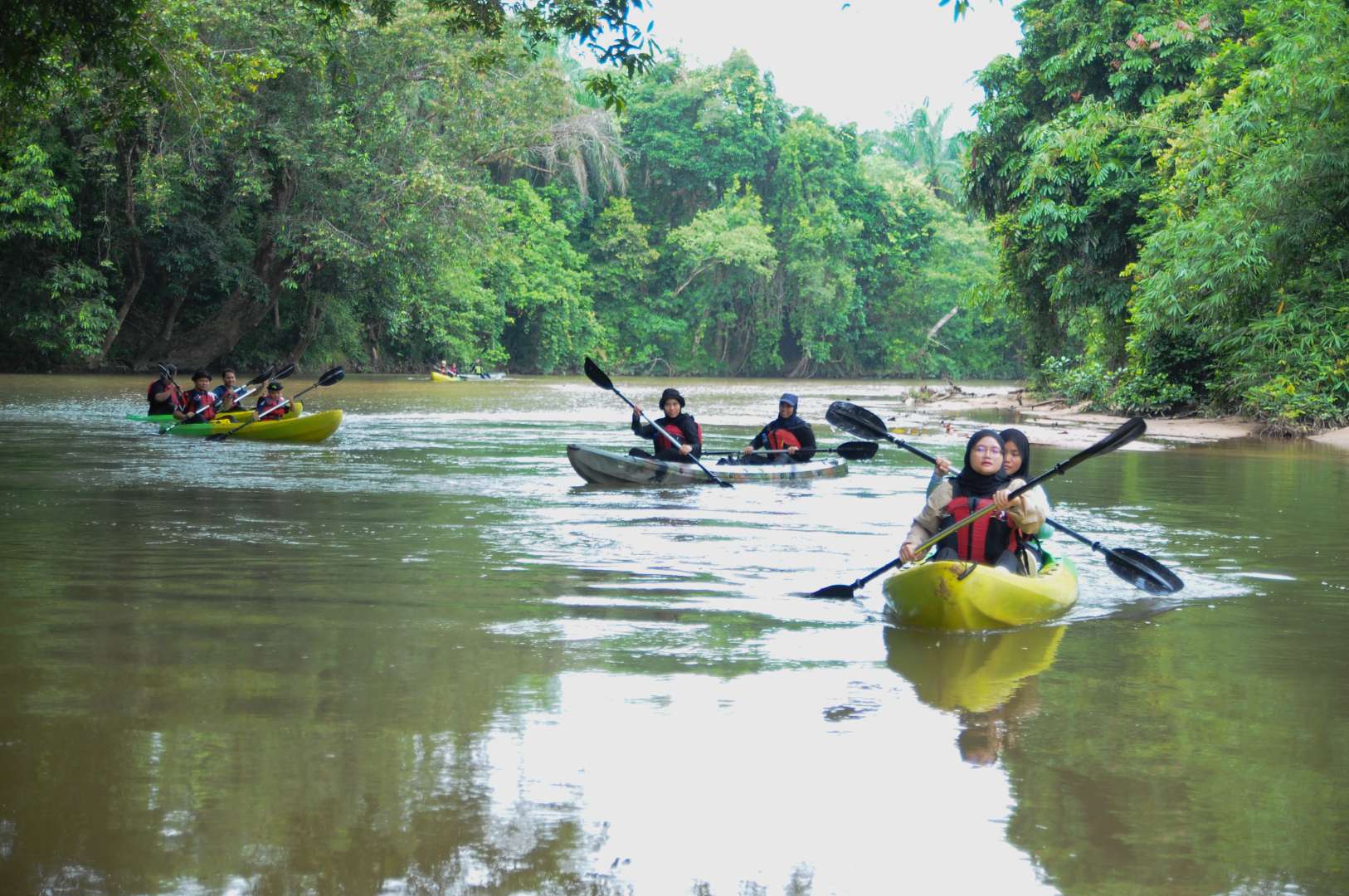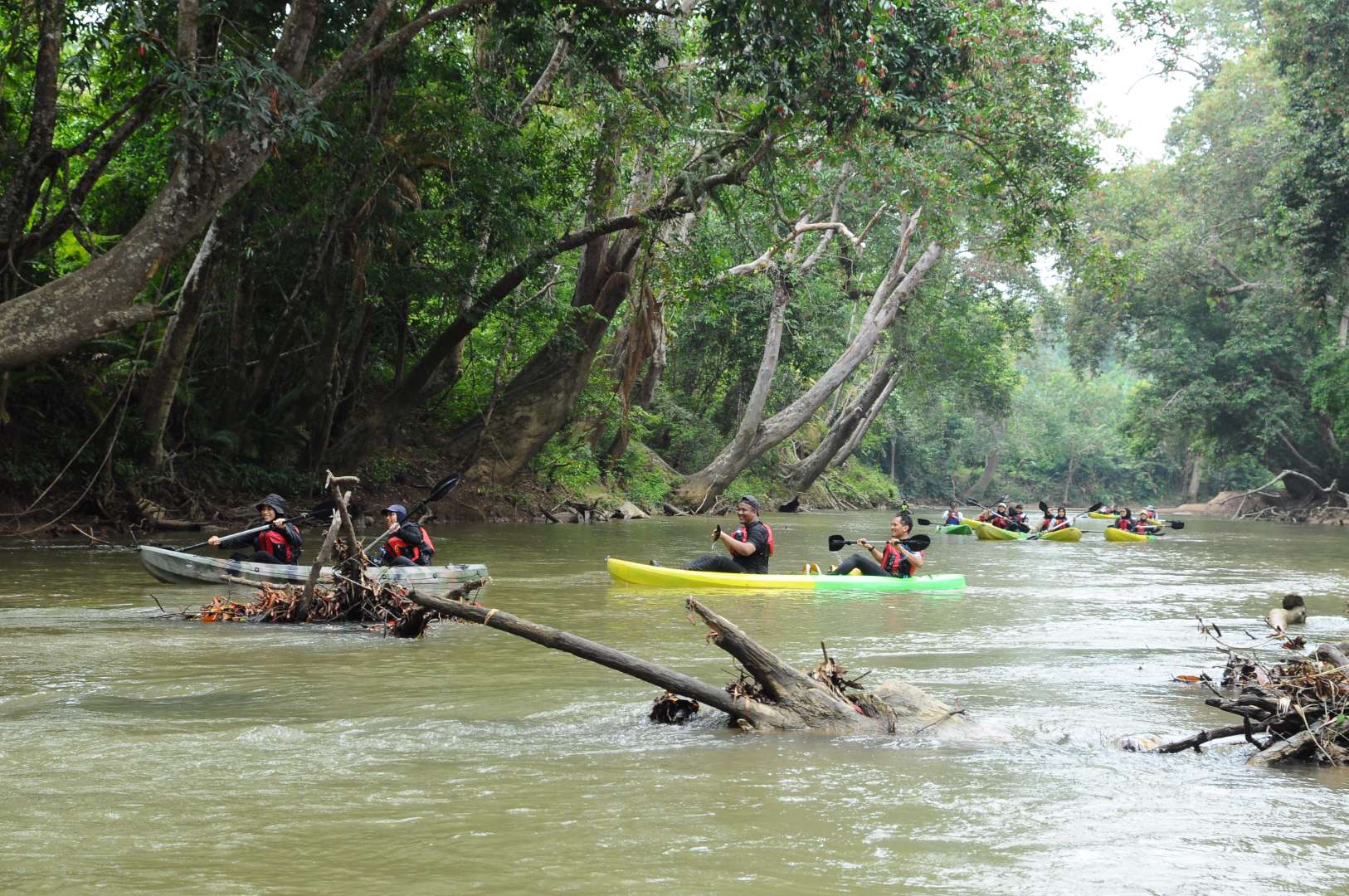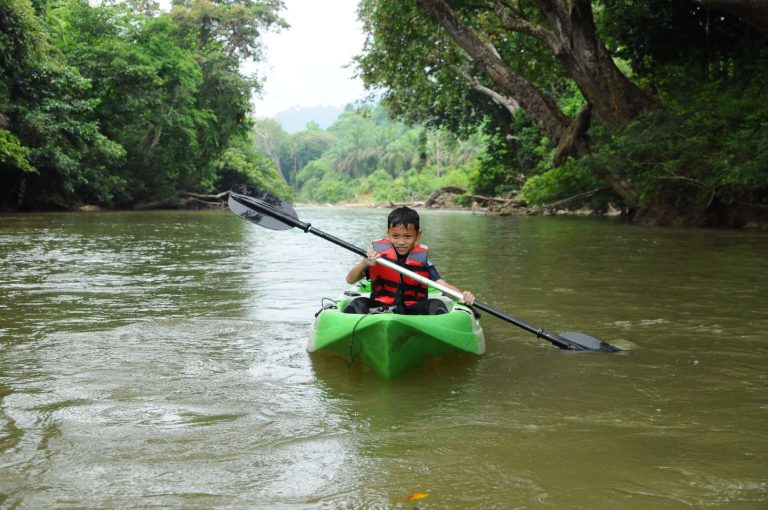
The Complete First-Timer’s Guide to Kayaking the Terengganu River
Cant swim? Never held a paddle? Nervous about getting into a kayak? You are not the first person to ask.

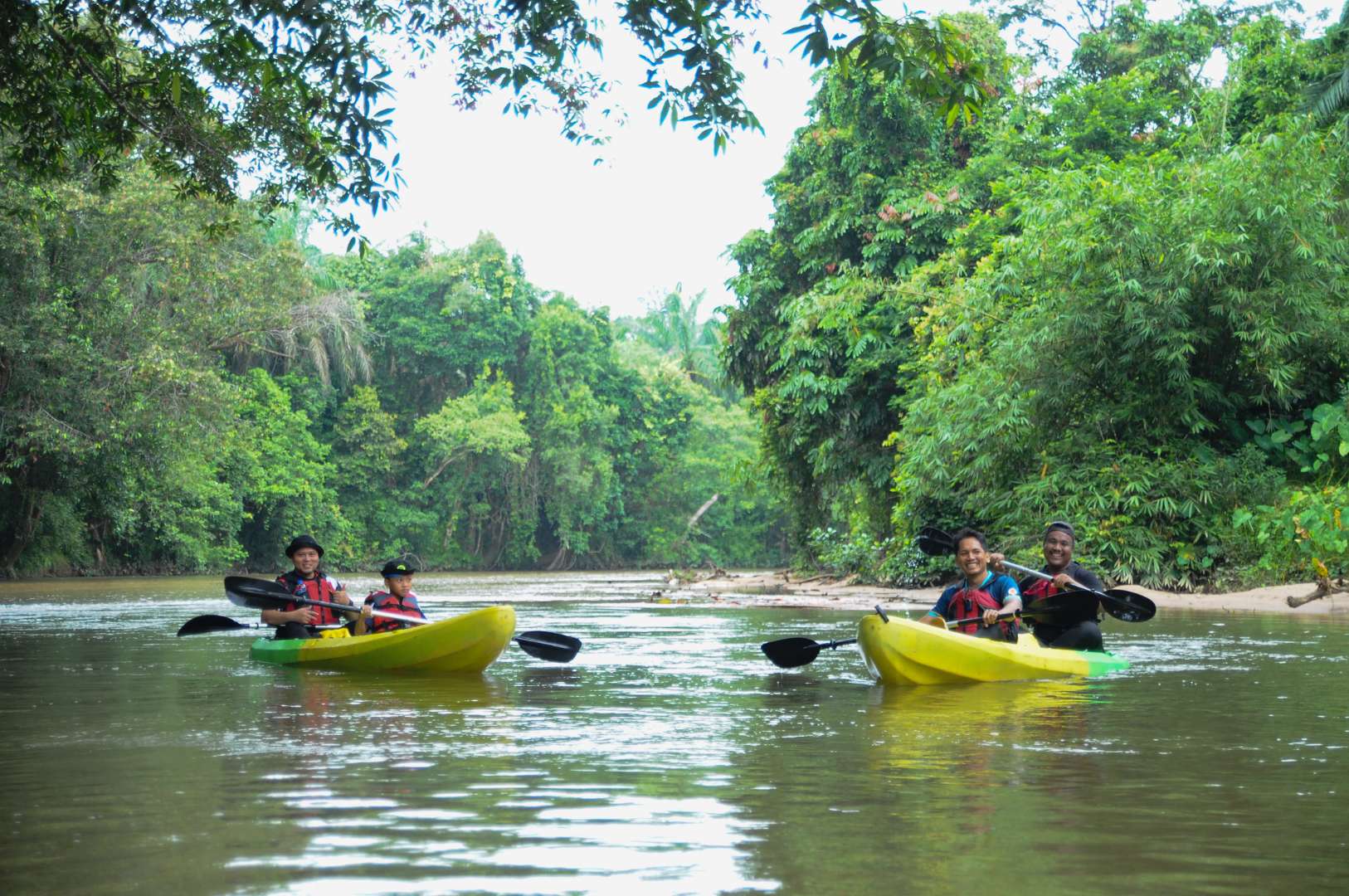
Learn how to choose a kayak for beginners. Compare kayak types, stability, size, weight capacity and features for rivers, lakes and coastal trips.
Choosing your first kayak can feel confusing. There are sit-on-top kayaks, sit-in kayaks, recreational kayaks, touring kayaks, fishing kayaks and inflatable models. Each design has different strengths, so the right choice depends on where you plan to paddle, how you intend to use it and your experience level.
If you’re wondering how to choose a kayak, start with those three questions before looking at brands, colours or prices.
For most beginners who plan to paddle on calm lakes, easy-flowing rivers or recreational waterways, a stable recreational kayak is usually a practical starting point. However, someone planning longer trips, coastal paddling or more challenging conditions may need a different design.
This guide explains the key factors to consider, including kayak type, stability, size, weight capacity, material, transportation and safety. It also includes considerations that are particularly relevant to kayaking in Malaysia.
The most important step in learning how to choose a kayak is deciding where you will actually use it.
A kayak designed for calm recreational paddling does not necessarily suit open coastal water or technical whitewater. Different hull shapes and designs provide different combinations of stability, tracking, speed and manoeuvrability.
Before buying, ask yourself:
| Where You Plan to Paddle | Suitable Starting Point |
|---|---|
| Calm lakes | Recreational kayak |
| Slow-moving rivers | Stable recreational kayak |
| Lakes and rivers | Recreational or crossover kayak |
| Coastal water | Touring or suitable sit-on-top kayak depending on conditions |
| Fishing | Fishing kayak |
| Long-distance trips | Touring kayak |
| Technical rapids | Purpose-built whitewater kayak |
These are general categories rather than rigid rules. Actual conditions, your skills and the kayak’s specifications should always be considered before going on the water.
Your intended activity should determine the kayak category you investigate.
A recreational paddler who wants to spend an hour exploring a calm river has different requirements from someone planning a multi-day coastal expedition.
If you want to kayak occasionally with friends or family, look for:
A recreational sit-on-top kayak can be particularly convenient for warm-weather activities.
If you intend to paddle longer distances, look for a kayak designed for touring.
Longer kayaks generally track more efficiently and provide more storage, although they can be more difficult to transport and manoeuvre than shorter recreational kayaks.
Fishing kayaks tend to prioritise stability, storage and fishing-specific features. Some models are designed with rod holders, accessory mounting points and platforms that provide greater stability while fishing.
The key is to avoid buying features you will never use.
One of the easiest ways to understand how to choose a kayak is to learn what the major categories are designed to do.
Recreational kayaks are generally intended for calm or relatively sheltered water.
They tend to prioritise:
They are often a sensible starting point for beginners who want recreational paddling rather than high-performance touring.
Touring kayaks are designed for longer-distance paddling.
They are generally longer and more efficient through the water. Many include additional storage compartments and tracking aids such as rudders or skegs.
Because they are designed with different performance priorities, they may not feel as immediately forgiving as a wide recreational kayak to a complete beginner.
Fishing kayaks focus on stability and practical fishing features.
Depending on the model, you may find:
Tandem kayaks accommodate two paddlers.
They can make sense when you regularly paddle with a partner or family member. However, two-person kayaks can require coordination between paddlers, especially when turning or changing direction.
Inflatable kayaks are attractive for people with limited storage space or transport options.
Their major advantage is portability. However, buyers should pay close attention to construction, intended use, durability and manufacturer specifications rather than choosing purely based on price.
This is one of the biggest decisions beginners face.
A sit-on-top kayak has an open deck. You sit on top of the hull rather than inside an enclosed cockpit.
For many recreational users, the advantages include:
Because you are exposed to the water, getting wet is normal.
This can be particularly suitable for recreational kayaking in Malaysia, where warm weather makes getting splashed less of a concern for many paddlers.
A sit-in kayak places the paddler inside a cockpit.
It generally provides greater enclosure and gives the paddler multiple points of contact with the kayak. This can provide greater control and efficiency, particularly as paddling skills develop.
Sit-in kayaks can be suitable for:
Neither design is automatically better.
The right choice depends on your activity, environment, comfort level and experience.
Kayak length and width can significantly influence how a kayak behaves.
As a general principle, wider kayaks tend to provide more initial stability, while longer kayaks can offer better efficiency and tracking.
A wider hull can provide a more stable platform.
This can be useful for beginners who are still developing balance and paddling confidence.
However, greater width can come with trade-offs in speed and efficiency.
Longer kayaks generally track more efficiently and can carry more equipment.
They can be useful for touring and longer-distance paddling.
The trade-off is transportation and manoeuvrability. A long kayak can be more difficult to load onto a vehicle and manoeuvre in confined areas.
Short kayaks are generally easier to turn and can be easier to transport.
For recreational river paddling, manoeuvrability can be more useful than maximum straight-line speed.
So when deciding how to choose a kayak, don’t simply ask:
“What is the biggest or fastest kayak I can afford?”
Instead ask:
“What combination of stability, speed, manoeuvrability and storage fits the way I will actually paddle?”
Never overlook the manufacturer’s weight-capacity specification.
The capacity needs to account for the paddler plus the kayak’s equipment and other cargo. Overloading a kayak can affect how it sits in the water and may reduce paddling efficiency and handling.
Consider:
Don’t choose a kayak based only on whether you fit physically into the seat.
You also need enough capacity for everything you intend to bring.
Imagine a paddler weighs 80 kg and wants to carry another 10 kg of equipment.
The kayak needs to accommodate at least 90 kg of combined load, with appropriate allowance according to the manufacturer’s specifications and intended use.
If you’re planning a multi-day trip, the additional gear can become substantial.
The kayak’s construction material affects weight, durability, handling and price.
Common materials include polyethylene, ABS and composite materials.
Polyethylene is generally durable and relatively affordable, but it can be heavier. Lightweight composite materials can significantly reduce weight but usually come at a higher price and may require greater care around impacts.
Think about how you will get the kayak from storage to the water.
A kayak that is technically excellent but too heavy for you to handle safely can become frustrating very quickly.
Not every kayak needs every feature.
Start with the features that directly improve your intended activity.
If you expect to spend hours on the water, seating comfort becomes increasingly important.
Proper foot positioning can improve comfort and control.
Consider whether you need enough room for a dry bag, water, food and safety equipment.
These can help with directional control and tracking, particularly in wind or conditions where maintaining a straight course is important.
Useful for carrying and moving the kayak.
Sit-on-top designs commonly use scupper holes to allow water to drain from the deck.
Useful if you plan to add fishing or outdoor accessories.
However, more features don’t automatically mean a better kayak.
The best kayak is the one with features that support how you actually intend to use it.
Price should come after identifying the right kayak category.
A common mistake is starting with a budget and then choosing whatever kayak has the most features within that price.
When comparing prices, consider:
A cheaper kayak can become more expensive if you need to replace or upgrade several essential items immediately.
Likewise, an expensive touring kayak may not provide much additional value to someone who only wants casual paddling on calm water.
Choosing a kayak in Malaysia requires some additional thought because of the country’s tropical climate and varied waterways.
Malaysia offers opportunities for kayaking across rivers, lakes and coastal environments. Conditions can change quickly depending on weather, water flow, wind and location.
For example, Jenoba Outdoor operates kayaking experiences in Terengganu, including its Little Amazon kayaking experience on Sungai Berang. Jenoba Outdoor also offers kayak equipment in categories including sit-on-top, fishing and sea kayaks.
This variety highlights why there isn’t one universally correct kayak.
A kayak suitable for a calm recreational outing is not necessarily the same boat you would select for a longer river journey or coastal expedition.
Before paddling, check the weather and conditions.
Malaysia’s National Security Council, citing the Malaysian Civil Defence Force (APM), advises people participating in water activities to wear a suitable life jacket, avoid being alone in the water, pay attention to warning signs and check weather conditions before entering the water.
A river can look calm while still having:
Beginners should select kayaking locations appropriate to their experience rather than assuming that every river is suitable simply because the surface looks calm.
The cheapest kayak isn’t necessarily the most suitable. Consider the complete use case, specifications and required equipment.
A highly specialised kayak may be unnecessary if you are still discovering what type of paddling you enjoy.
Always think about how you will transport and store the kayak.
Your kayak needs to accommodate you and your equipment.
Beginners may be tempted by narrow, fast-looking kayaks. However, a kayak that feels uncomfortable or unstable can make learning more difficult.
River conditions vary considerably. Your kayak choice should reflect the actual water environment and your skill level.
A kayak is only one part of your paddling setup. Safety equipment and proper preparation matter just as much.
If you can answer these questions confidently, you are already much closer to choosing an appropriate kayak.
For many beginners using calm lakes or easy-flowing waterways, a stable recreational kayak can be a practical starting point. The ideal choice still depends on the paddler, water conditions, intended activity and kayak specifications.
A sit-on-top kayak can be convenient for beginners because it offers easy entry and exit and an open seating position. It is particularly practical for recreational paddling in warm conditions. However, a sit-in kayak may be preferable for paddlers who want greater enclosure and control.
There is no single width that works for every beginner. Wider kayaks generally provide greater initial stability, while narrower designs can favour speed and efficiency. Choose according to your experience and intended conditions rather than width alone.
A shorter recreational kayak can be easier to manoeuvre and transport. Longer kayaks generally provide better tracking and efficiency for longer trips. Your intended activity should determine the appropriate length.
The manufacturer’s stated capacity should accommodate your body weight plus your equipment and other cargo. Consider everything you plan to take on the water rather than looking only at your body weight.
A recreational kayak can be suitable for calm or slow-moving rivers, depending on the specific boat and conditions. Recreational kayaks are not automatically suitable for technical rapids or challenging whitewater.
Renting or trying different kayaks can help you understand which seating position, stability and handling characteristics you prefer before making a purchase. This can be particularly useful if you are completely new to kayaking.
At minimum, follow the safety requirements and guidance applicable to your location and activity. Malaysia’s National Security Council advises wearing a suitable life jacket, checking weather conditions, observing warning signs and avoiding entering the water alone.
Learning how to choose a kayak becomes much easier when you stop looking at the kayak first and start with your activity.
Ask yourself:
Where will I paddle?
What will I use the kayak for?
What is my experience level?
Then consider stability, kayak type, dimensions, weight capacity, construction, transportation and storage.
For beginners, there is rarely a reason to chase maximum speed or advanced features immediately. A kayak that is comfortable, manageable and appropriate for your intended environment can give you the confidence to develop your paddling skills.
If you’re looking for kayaking equipment in Malaysia, Jenoba Outdoor offers several kayak categories, including sit-on-top, fishing and sea kayaks, and its outdoor programmes include kayaking experiences in Terengganu.
The right kayak isn’t necessarily the most expensive or advanced model.
It’s the one that matches where you paddle, what you do on the water and what you can confidently handle.